

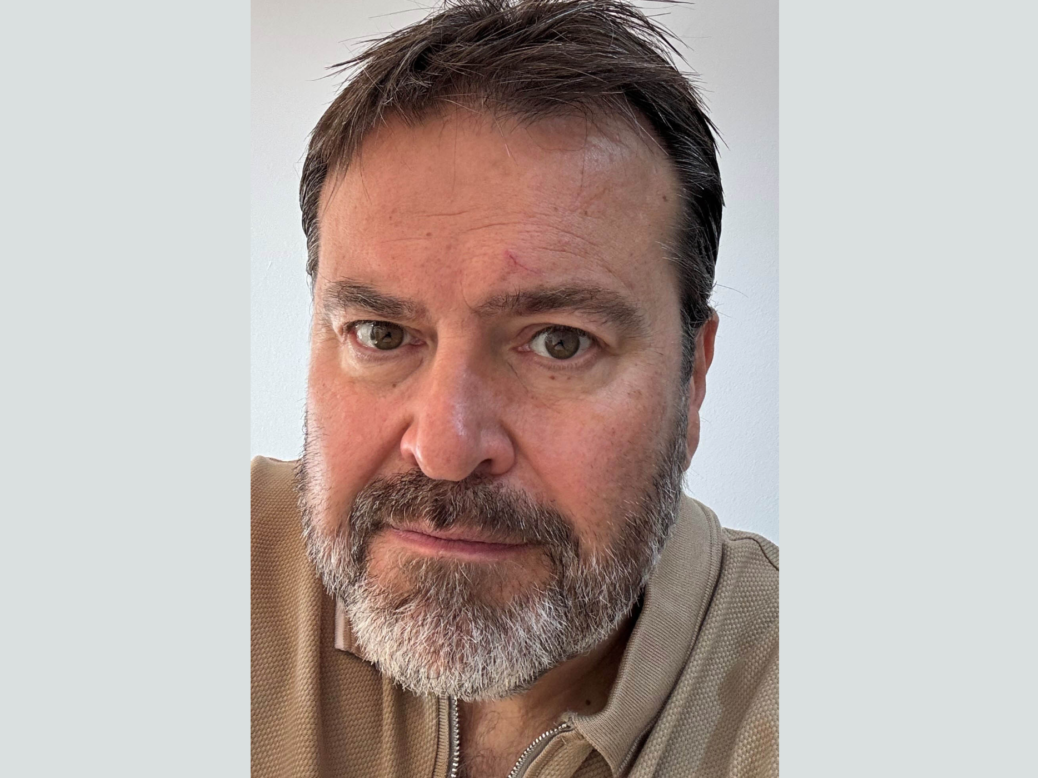
North of England news agency Cavendish Press is closing after nearly 50 years, as its owner blames low freelance rates and “bean counters” at national publishers for its demise.
Boss Jon Harris acquired Cavendish in a management buyout in 2005 following the death of Fleet Street journalist Brian Whittle, who founded the agency in Manchester in 1979. Some of the biggest stories it covered included the case of serial killer GP Harold Shipman, the Moors Murders, as well as many stories involving famous footballers based in the city.
Harris, who first joined Cavendish as a junior reporter in 1993, said news publishers have made the traditional “boots on the ground” agency model “unsustainable”.
“Press agencies like Cavendish were once called the ‘unsung heroes’ and the ‘lifeblood’ of the daily news list by national newspaper editors and the like,” said Harris.
“But these days, reporting traditional news has become a loss leader thanks to a gradual financial strangulation imposed on us by bean counters at those same publishers who are seemingly hell-bent… [on getting] free content, regardless of the quality.”
Cavendish Press closure: Agency boss says court reporters ‘facing extinction’
Cavendish Press, named after a street where Whittle lived in Worsley, helped fill the pages of national newspapers with stories gained by journalists being out and about “sometimes late into the night, with copy often filed via a telephone box” and “pictures developed in a dark room before being wired via an electronic drum”, Harris said.
In a parting shot, he said freelance court reporters were “facing extinction” as a result of “the greed of publishers” who made use of police press releases instead of “paying for accredited and independent journalistic content”.
“Only recently, at a case our reporter covered, a judge criticised police over its investigation into a convicted fraudster, yet publishers instead used the free handout from the police press office which omitted the criticism,” said Harris.
“These handouts are no doubt well-intentioned and issued in the name of transparency, but I fear their continued use, coupled with the demise of the court reporter, will ironically make police and other government departments less accountable, not more.”
Harris, who has also stood down as chairman of the National Association of Press Agencies after 13 years in the post, said rates for freelancers had “remained steadfastly the same”, and in some cases were even lower, than the rates paid when he joined Cavendish more than 30 years ago.
“Those rates have been challenged by some agencies in the past, but ultimately those pleas for more were rejected by publishers – sometimes even with a veiled threat not to use or commission their content,” he said.
[Read more: Half of UK freelance journalists report being offered less than 10p a word]
“The advent of online titles in the Noughties did help us for a while, but freelance fees for those platforms were agreed on a peppercorn basis on the promise reviews on rates would be carried out once those national news websites were to become successful. That of course didn’t happen…
“Now, where news pages were once filled with quirky tabloid tales about bed-hopping bishops, corrupt council officials, dirty doctors, and undercover policemen falling over drunk on the job, we see stories instead about Susanna Reid’s outfits on Good Morning Britain and the price of Greggs sausage rolls.”
He went on: “Publishers and politicians need to recognise the value of press agencies and freelancers with their boots on the ground approach to news, rather than just rely on the regional newspaper, the BBC and hyper locals helping maintain the wider media landscape.
“The reality is an over-abundance of caution at certain media organisations does not necessarily result in the public being fully informed – and that is why agencies have played such an important role in newsgathering over the decades.
“Proper recognition of agencies and freelancers would of course require the proper remuneration they so richly deserve, but the reader, and therefore the wider public, will benefit. And that’s got to be good for thing for everybody.”
Email pged@pressgazette.co.uk to point out mistakes, provide story tips or send in a letter for publication on our "Letters Page" blog
